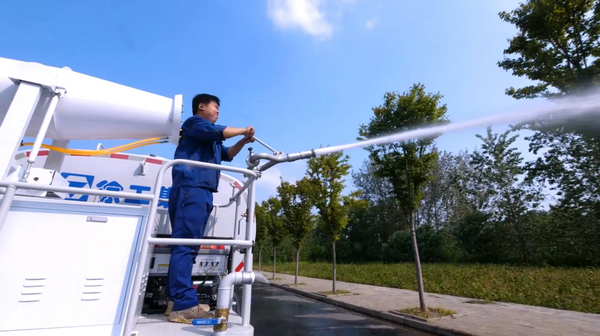
As “mobile guardians” of urban sanitation, water trucks play a critical role in operational efficiency and city image. Based on years of technical expertise and user feedback, XCMG has developed a full lifecycle maintenance solution covering daily inspection, operational best practices, routine servicing, and fault prevention—helping customers extend equipment lifespan while optimizing operating costs.
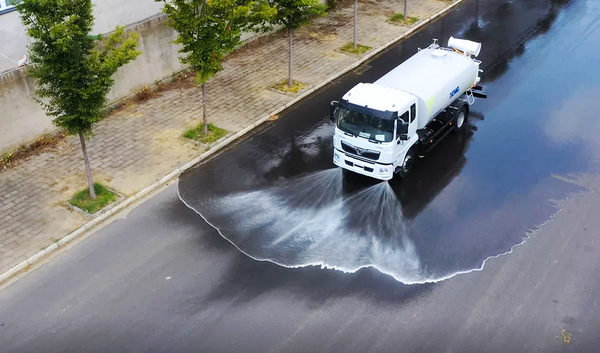
1. Daily Inspection Checklist
Before operation, ensure key components are in proper condition:
- Fluid Check:
Verify that engine oil and coolant levels are within standard ranges. - Tire Check:
Ensure tire pressure meets specifications and no foreign objects are embedded in the tread. - Pipeline Inspection:
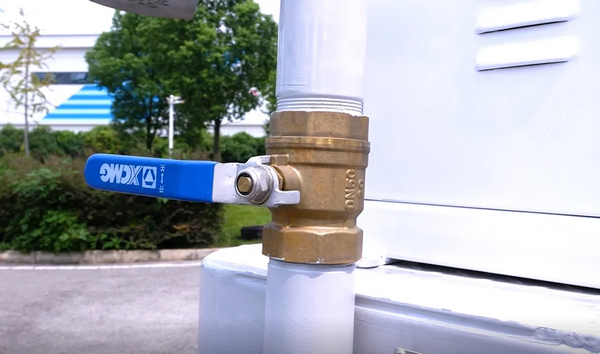
Check valves and spray nozzles for smooth operation; ensure seals are intact without aging or cracks. - Brake Test:
Conduct a low-speed brake test to confirm responsiveness, with no dragging or abnormal noise.
2. Safe Operation Guidelines
Proper operation reduces wear and prevents damage:
- Avoid Obstacles:
Keep clear of manhole covers, stones, and other obstacles to prevent tank or chassis damage. - Avoid Sharp Turns:
Maintain a turning radius at least 1.2 times the minimum turning radius. - Avoid Overloading:
Do not exceed 95% of tank capacity to prevent water overflow. - Avoid Overheating:
After 2 hours of continuous operation, stop for cooling to prevent engine overheating.
3. Operating Control Best Practices
Maintaining correct operating parameters improves efficiency and safety:
- Speed Control:
≤ 40 km/h in urban areas, ≤ 60 km/h on suburban roads. - Pressure Control:
Adjust water pump pressure based on road surface:- Asphalt: ≤ 0.8 MPa
- Concrete: ≤ 1.2 MPa
- Spray Angle Control:
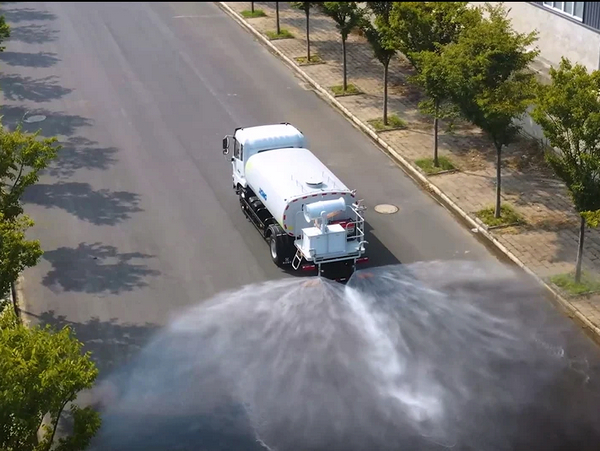
Maintain nozzle angle at 30°–45° for uniform spraying.
4. Routine Maintenance
Regular servicing ensures long-term reliability:
- Engine:
Replace engine oil and oil filter; inspect air filter condition. - Water Pump:
Check oil level and impeller wear; replace lubricants as needed. - Nozzles:
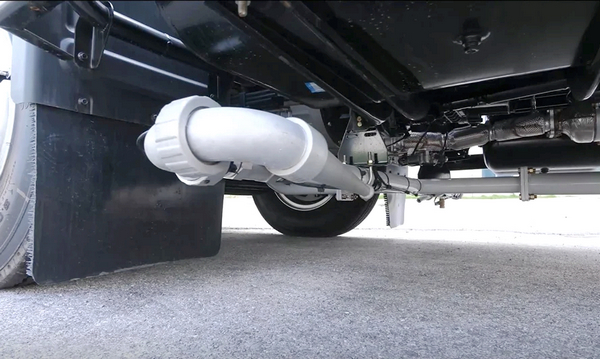
Remove scale buildup, recalibrate spray angles, and replace worn nozzles. - Electrical System:
Inspect wiring insulation, tighten battery terminals, and clean relay contacts.
5. Common Faults & Troubleshooting
Early detection helps prevent major failures:
- Abnormal Pump Noise:
May indicate bearing wear or impeller blockage—stop immediately for inspection. - Uneven Spraying:
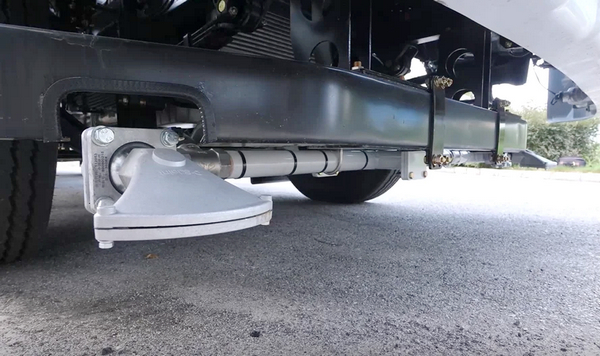
Check for nozzle blockage or pipeline leakage. - PTO Engagement Difficulty:
Adjust clutch free play and inspect synchronizer wear. - Engine Power Loss:
Clean throttle body and check fuel injector atomization. - Electrical Short Circuit:
Use a multimeter to detect loose connections and replace aging fuses.
A structured maintenance approach ensures that your water truck operates efficiently, safely, and reliably throughout its lifecycle—delivering consistent performance in urban sanitation operations.